
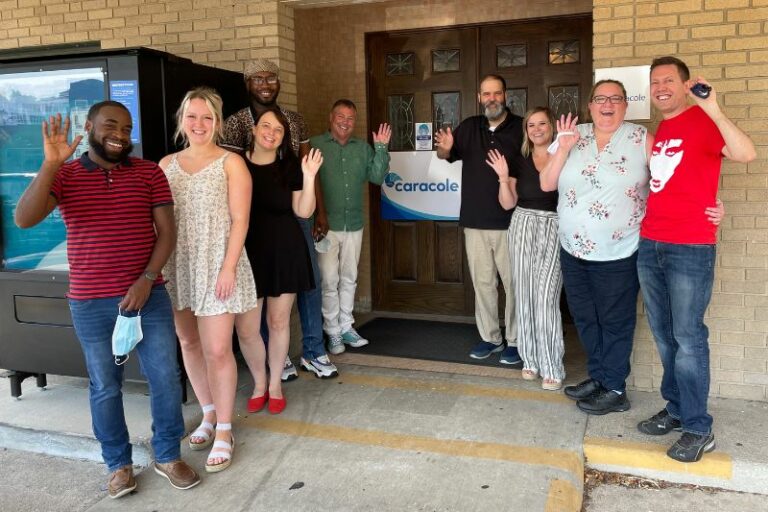
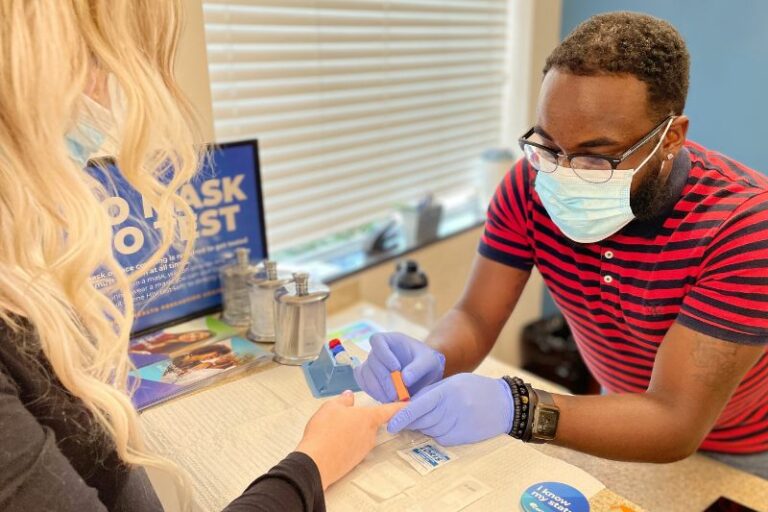
We are Greater Cincinnati’s nonprofit devoted to positively changing lives in the fight against HIV/AIDS.
Through HIV prevention, housing and care, our work to end the HIV epidemic is essential to a healthy community.
HIV stands for human immunodeficiency virus. It is a virus that weakens the immune system over time by attacking certain cells that help the body fight infections. With treatment, people with HIV can stay healthy and live full lives. Learn more about HIV in our article, HIV: The Basics.
There are lots of ways to lower your risk— If you’re not sure how to reduce your risk, don’t worry. Caracole’s Health Educators are here to provide confidential, supportive education on what makes sense for you.
In addition to PrEP and PEP, safer sex, using new injection equipment, getting tested regularly and talking with your partners about your status can all help lower your risk of HIV.
Don’t wait to get care. PEP (post-exposure prophylaxis) is a medication that can lower your risk, but it must be started within 72 hours. Visit an emergency room or talk with a provider right away.
PrEP, or pre-exposure prophylaxis, is a highly effective medication that can prevent HIV for people who are HIV negative.
If you don’t have HIV and want extra protection, PrEP might be a good option—especially if you’re sexually active or share needles. Not sure? Our PrEP navigators can talk with you about what’s right for you.
PrEP is recommended for anyone at risk of HIV, including people who have multiple sex partners, people in a relationship with someone living with HIV who is not virally suppressed, people who inject drugs, and anyone who wants extra protection against HIV. However, PrEP can be taken by anyone!
Yes! You can safely take PrEP while using gender-affirming hormone therapy (HRT), like estrogen or testosterone. HRT does not lower how well PrEP works, and PrEP does not change your hormone levels. Both the daily pill and the shot are safe to use while on HRT. Your health care provider can help you choose the option that’s best for you.
PrEP is available by prescription from doctors, nurse practitioners, and/or physician assistants, but we can help! Caracole is an Ohio PAPI provider. PAPI, or Prevention Assistance Program Interventions, is a program that pays for PrEP-related medical costs, like co-pays, doctor visits and health insurance premiums.
PrEP is highly effective for preventing HIV. Studies have shown that PrEP reduces the risk of getting HIV from sex by about 99% when taken as prescribed. Among people who inject drugs, PrEP reduces the risk of getting HIV by at least 74% when taken as prescribed. Currently, PrEP shots are not recommended for people who inject drugs. PrEP is less effective when not taken as prescribed.
PrEP pills reach maximum protection from HIV at:
There is no available data on PrEP pill effectiveness for insertive anal sex (topping) or insertive vaginal sex.
It is unknown how long PrEP shots take to reach maximum protection during sex.
If you miss a dose, take it as soon as you remember. If it’s close to your next scheduled dose, just take the next dose as usual. Missing a dose occasionally won’t drastically reduce protection, but it’s best to take PrEP consistently. Do not take a double dose to make up for a missed one.
PrEP is available as a daily pill (Truvada, Descovy) or an injectable shot (Apretude). Pills need to be taken every day, while the shot is given every two months. Your provider can help determine which option is best for you.
While on PrEP, some people may experience side effects like diarrhea, nausea, headache, fatigue and stomach pain as well as potential complications in kidney function. To mitigate this risk, people prescribed PrEP should attend regular check-ups to ensure that the medication is working as intended. Tell your health care provider about any side effects that are severe or do not go away. For more information on side effects, visit the drug manufacturers’ website.
Yes! PrEP is highly effective at preventing HIV, but it doesn’t protect against other STIs. Using condoms with PrEP adds extra protection and is always recommended.
PAPI, or Prevention Assistance Program Interventions, is an Ohio Department of Health program for HIV negative Ohio residents with or seeking a prescription for PrEP. PAPI can help pay for medical costs associated with PrEP, like:
To enroll in the PAPI program, you must:
* 500% of the Federal Poverty Level for a household of one; amount is different for those who have children or more members in the household.
Caracole is a PAPI program provider. Call our main line (513) 761-1480 and ask to speak to a PrEP health navigator, who will work with you on what’s needed to enroll in the program. Or visit ohiv.org/free-prep to be referred to a PAPI program provider near you.
Doxy-PEP (Doxycycline post-exposure prophylaxis) is an antibiotic that can help prevent bacterial STIs like chlamydia, gonorrhea, and syphilis if taken within 72 hours after sex. It is not used for HIV prevention but may be recommended for STI prevention. Talk to your healthcare provider if you think this may be right for you.
Both help prevent HIV, but in different ways. PrEP is ongoing protection. It reduces your risk before exposure. PEP is short-term treatment to prevent HIV after exposure to the virus.
PEP, or post-exposure prophylaxis, is a 28-day pill regimen that must be started within 72 hours after a possible exposure to HIV to prevent the virus from taking hold in your body. Every hour counts. PEP should be used only in emergency situations. It is not meant for regular use by people who may be exposed to HIV frequently.
Caracole cannot prescribe PEP medication. We recommend that you go to an emergency room or talk to your doctor.
Yes! PEP can be taken multiple times if you have new potential HIV exposure. It’s designed for emergency use situations. However, if you find yourself needing PEP often, talk to a provider about switching to PrEP for ongoing protection.
Condoms and safer sex kits are available for FREE at our Northside office:
Caracole
4138 Hamilton Avenue
Cincinnati, OH 45223
Additional local locations that offer FREE condoms:
Also, ask us about internal condoms! This type of condom is worn inside the vagina or anus and provides the same kind of protection from HIV, STIs and unwanted pregnancy that external condoms provide. Learn more by reading our Condom Use Tips article!
To help our Peer Navigators understand your needs, please share a little about what you’re looking for: