

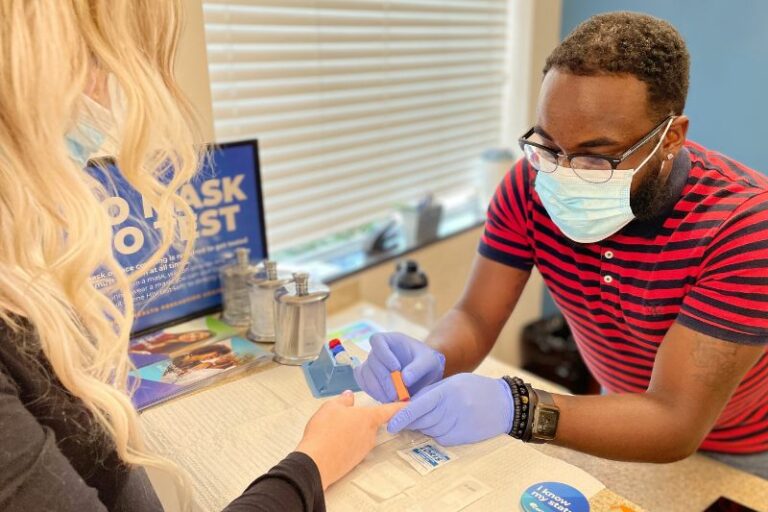
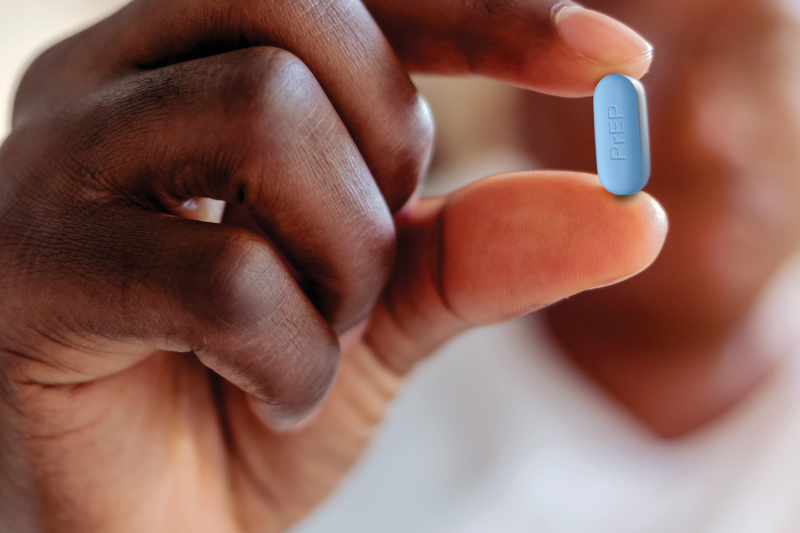
You may have heard of PrEP or PEP, but you’re not sure what they mean, what they do or if they’re for you. PrEP and PEP are both safe, effective options for preventing HIV, but they work in different ways and are meant for different situations.
Understanding how they work, and when they work best, can help you take charge of your health. And when you’re ready, a Caracole PrEP navigator or a health care provider can walk you through your options and help you get started.
PrEP: Protection Before Exposure
What is PrEP?
PrEP, or pre-exposure prophylaxis, is the name for several different, highly effective medications that can prevent HIV. If you don’t have HIV and think you may be at risk, PrEP can give you extra protection before you’re exposed to the virus.
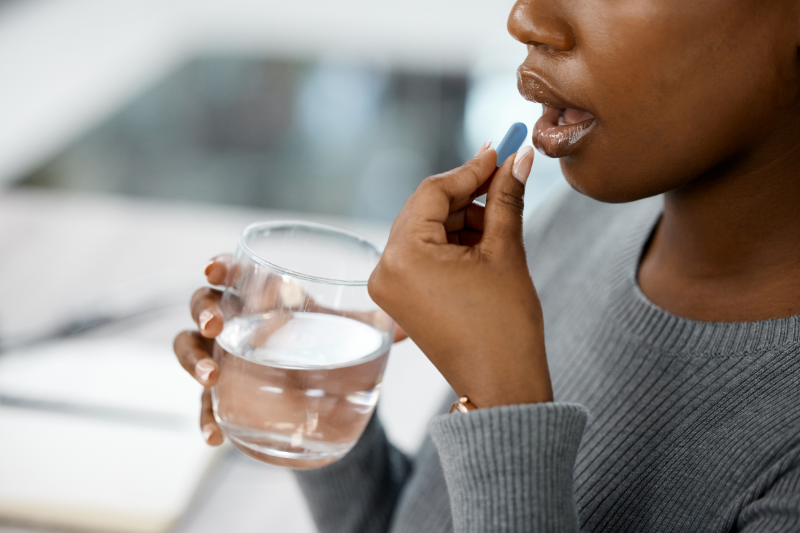
You can take PrEP as a pill every day or get a shot every two months. If you take it the right way, PrEP reduces the risk of getting HIV from sex by up to 99 percent. It also makes it much less likely to get HIV from sharing needles, lowering the risk by at least 74 percent.
The time it takes for PrEP to become fully effective depends on the type you use—it can take anywhere from 7 to 21 days. Talk to your health care provider to learn more.
PrEP reduces the risk of getting HIV from sex by about 99% when taken as prescribed.
Is it safe to use PrEP?
PrEP is very safe, and most people don’t experience side effects. If they do, symptoms like nausea, headache, rash or fatigue are usually mild and tend to go away over time. PrEP is also safe to use while pregnant, breastfeeding or on hormonal birth control or hormone replacement therapy (HRT).
Keep in mind, PrEP does not protect against other STIs, or sexually transmitted infections, so it’s still important to think about other ways to protect against STIs and to get tested regularly.
Who should use PrEP?
PrEP is for people who don’t have HIV and want added protection. It’s a good option for anyone who is sexually active, especially if you:
- Have a partner with HIV
- Don’t always use condoms
- Share needles or other injection equipment
- Have taken PEP more than once
If you’re curious or unsure, our PrEP navigators are a great place to start.
Does PrEP work for women too?
Yes—PrEP is safe and effective for cisgender women, transgender men and women, and nonbinary people assigned female at birth who may have receptive vaginal sex. While PrEP is often talked about in connection with gay and bisexual men, it’s also a powerful HIV prevention tool for anyone at risk. When taken as prescribed, PrEP significantly reduces the risk of getting HIV from vaginal sex. Truvada (or its generic equivalent) is the oral PrEP option approved for people at risk through vaginal exposure, and Apretude—an injectable form of PrEP given every two months—is also FDA approved for women. It’s important to know that oral PrEP takes about 21 days to reach maximum protection for receptive vaginal sex. PrEP can also be safely used during pregnancy, while trying to conceive or while breastfeeding. Talk to your health care provider about what’s right for you.
Does PrEP work for people who take hormones?
Yes—PrEP is safe and effective for transgender people who take gender-affirming hormone therapy (HRT), like estrogen or testosterone. Taking HRT does not change how well PrEP works, and PrEP will not affect your hormone levels or transition-related care. Both the daily pill and the shot every two months can be used safely with HRT to lower your risk of getting HIV. Talk with your health care provider about which option works best for you.
Getting Started with PrEP
Caracole PrEP navigators are here to help you feel more comfortable and supported as you take your next step. We can answer your questions about PrEP and help you find the right health care provider to prescribe medication.
When you meet with a health care provider, they will run some tests, like an HIV test, STI screening and a check of your kidneys. If everything looks good and you start taking PrEP, you will need to get tested for HIV and liver function every two to three months to make sure it’s working the way it should.
What are my options for taking PrEP?
PrEP isn’t one-size-fits-all. There are different ways to take it, and you can choose the one that fits best with your life.
- Daily pill: This is the most common form of PrEP. You take one pill every day. When taken correctly, it provides strong protection. If you miss doses, it may not work as well, so it’s important to stick with your routine.
- Long-acting shot: PrEP also comes as an injection you get every two months at your provider’s office. After a few starter doses, you’ll get a shot at your provider’s office every two months. This can be a good choice if a daily pill doesn’t work for you.
Both options are proven to work well in preventing HIV. Your provider can help you decide which one makes the most sense for your needs.
Paying for PrEP
PrEP is available by prescription from doctors, nurse practitioners or physician assistants and is covered by most insurance plans. If you don’t have insurance or need help covering out-of-pocket costs, help is available.
Ohio’s Prevention Assistance Program Interventions (PAPI) can help cover the cost of PrEP-related care, like co-pays, doctor visits and health insurance premiums.
Caracole is a PAPI provider, which means we can help you apply and get started. To qualify, you must be HIV-negative, live in Ohio and meet the program’s income guidelines. Our PrEP navigators are here to guide you through the process.
For eligibility requirements, visit caracole.org/prep.
PEP: Protection After Exposure
What if I’ve recently been exposed to HIV?
PrEP works best before you’re exposed to HIV. But if you were recently exposed, you may need to act more quickly. In that case, there’s a medicine to lower your chances of getting HIV. That option is called PEP.
What is PEP?
PEP stands for post-exposure prophylaxis. It’s a short course of HIV medication taken after a possible exposure to help stop the virus from spreading in your body.
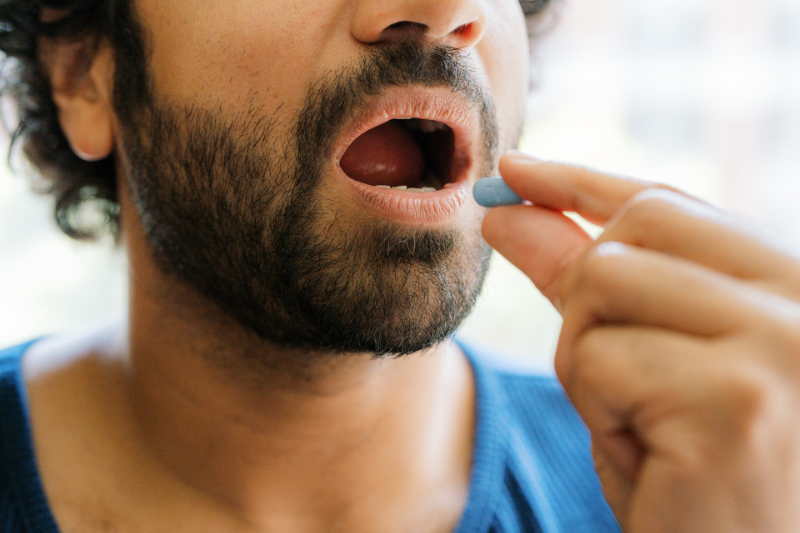
PEP involves taking pills every day for 28 days. Unlike PrEP, which is used for ongoing protection, PEP is for emergencies only. It’s not meant for regular use by people who may be exposed to HIV frequently.
With PEP, timing matters. PEP must be started within three days (72 hours) of a possible exposure. The sooner you start, the better it works.
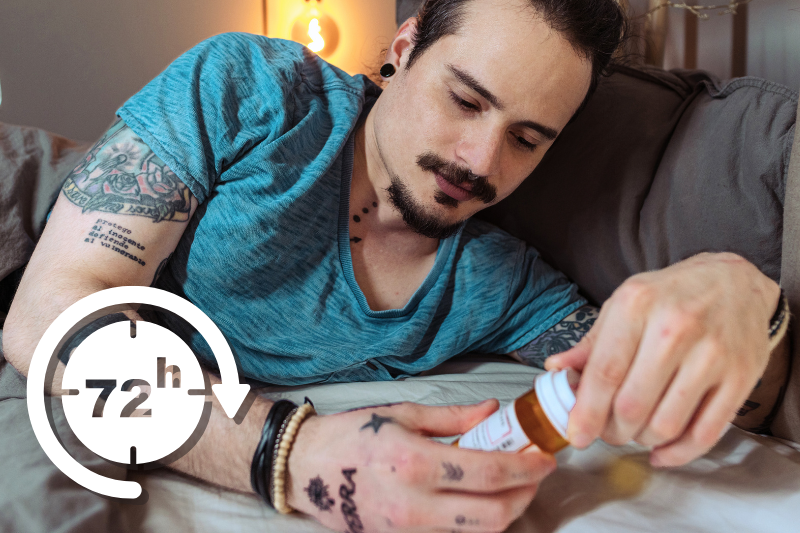
PEP must be started within 72 hours of a possible exposure—every hour counts.
When to Use PEP
PEP is for emergency situations, when you may have been exposed to HIV and need to act quickly to help prevent infection. You might need PEP if you’ve:
- Had sex without a condom with someone who may have HIV
- Shared needles or injection equipment
- Been sexually assaulted
- Experienced a possible exposure at work (like a needle stick)
If you find yourself needing PEP more than once, consider talking with a PrEP navigator about whether PrEP might be a better ongoing option.
Is it safe to use PEP?
PEP is considered safe for most people. Side effects are usually mild and don’t last long. Some people may feel tired or have an upset stomach in the first few days. PEP is safe to use during pregnancy and while on birth control. It’s also safe to use while you’re on HRT.
Let your provider know about any other medications you’re taking so they can be sure PEP is safe for you.
How to Get PEP
If you think you need PEP, don’t wait. Go to an emergency room or contact your health care provider right away.
PEP is covered by most insurance plans. If you don’t have insurance, there are assistance programs that may help cover the cost.

Prevention is Possible
Prevention is possible—and you have options. PrEP (long term) and PEP (in urgent situations) are highly effective ways to prevent HIV and take control of your health.
Get the care you need, on your terms. Caracole offers free HIV testing, PrEP navigation and support without stigma.
Still have questions? Our FAQ page covers everything from HIV prevention to housing, care and more.