
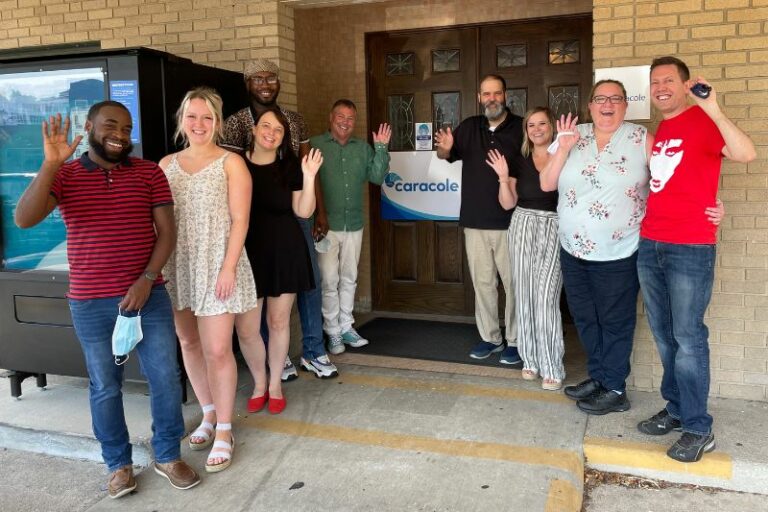
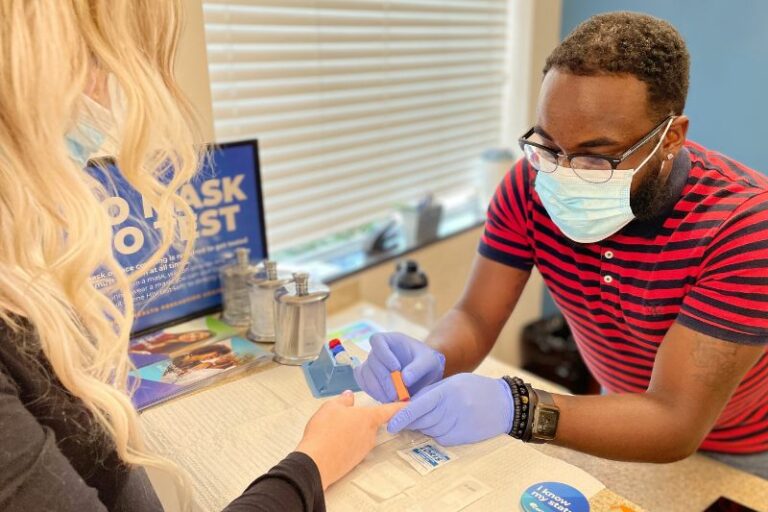
Everyone deserves to be healthy. No matter what your life looks like right now, you can take steps to care for your health and well-being. Harm reduction gives you simple ways to care for yourself and lower your risk for infectious diseases, like HIV or hepatitis C, without judgment or pressure. From safer use and safer sex to overdose prevention and support services, harm reduction puts tools in your hands—on your terms.
What Is Harm Reduction?
We all do things that carry risks to our health. For some people, that might include using drugs or having sex without a condom. Harm reduction helps people stay healthier when doing things that carry risks by giving them choices, tools, support and information to take care of themselves.
At its core, harm reduction is about dignity, respect and choice. It recognizes that drug use, sex and health are all connected—and that everyone deserves the chance to take care of themselves in ways that work for them. Harm reduction makes that possible by offering judgment-free options like safer-use supplies, testing, overdose prevention and support when you need it.
Harm reduction doesn’t encourage drug use—it helps people make healthier choices.
Harm reduction is also backed by science. Research shows that programs like syringe services and naloxone access save lives, lower the risk of HIV and hepatitis C and help people stay connected to care.
Harm reduction starts with public health, respect and community, but it doesn’t stop there. It’s also a movement for change—pushing back against stigma, discrimination and unfair policies and systems that make it harder for people to get care. It’s rooted in justice, equity and compassion—so no one gets left behind.
Want to dig deeper? Learn more at harmreduction.org, a national resource and advocacy organization for harm reduction.
What does harm reduction look like in everyday life?
Harm reduction takes many forms, but the goal is always the same: to help people make healthier choices. That might look different depending on your needs, your life or what you’re facing right now.
- In sexual health: If you’re sexually active, harm reduction might mean using condoms, getting tested for HIV and other STIs or keeping Plan B on hand. It can also include access to sex education, supportive health care services, knowing how to talk with your partners about your status and sexual health and making informed choices that feel right for you.
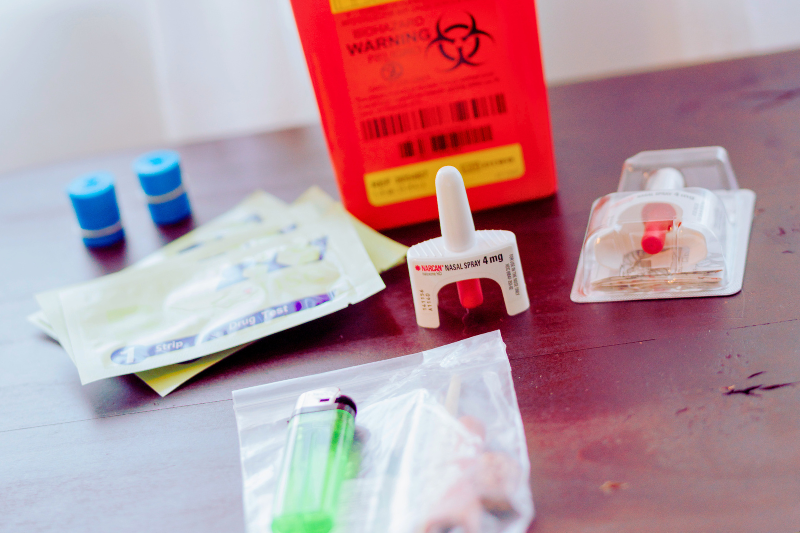
- In drug use: If you use drugs, harm reduction means having the tools and support to stay safer. That could look like using test strips to check your supply, never using alone, carrying naloxone in case of overdose or using new equipment each time to lower the risk of infectious diseases, like HIV and hepatitis C. It might also mean safely getting rid of used supplies, caring for wounds, finding a support group or knowing where to turn if you’re ready for treatment.
- In HIV and hepatitis C prevention: If you’re at risk for HIV or hepatitis C, harm reduction could mean knowing your status, picking up an HIV self-test kit or learning more about prevention tools like PrEP. It could also mean using syringe services, accessing free safer-use supplies through Caracole’s vending machine or getting help with care or treatment if you need it.

Support Every Step of the Way
You don’t have to do everything at once. Even small steps can make a difference. Whether you’re picking up supplies, getting tested or looking for ongoing support, Caracole is here to help you stay safer and healthier—every step of the way.
Still have questions? Our FAQ page covers everything from HIV prevention to housing, care and more.