

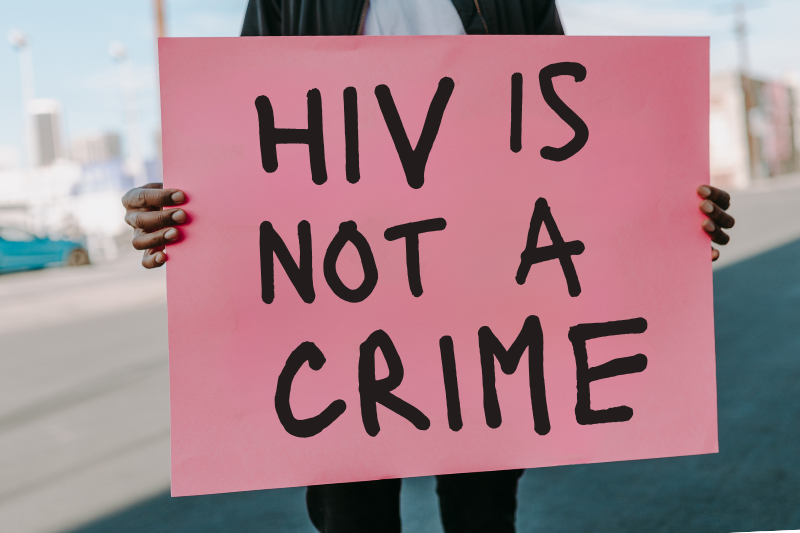
HIV is a manageable health condition—not a crime. But in many states, including Ohio, outdated and unfair laws still criminalize people living with HIV. These laws are based on stigma and fear, not science. They target people for things that wouldn’t be crimes if they didn’t have HIV—often even when there’s no risk of transmission.
If you’ve just been diagnosed, you might be feeling overwhelmed, scared or unsure of what comes next. So let’s start here—with care and treatment, you can live a long, healthy life. It’s also important to know how to protect yourself—not just medically, but legally. This guide explains Ohio’s HIV criminalization laws, what they mean for you and how to stay safe.
No one should be punished simply for living with HIV.
Know Your Legal Risks
Ohio has laws that can send people living with HIV to jail—even when there’s no risk of transmitting HIV. These laws are outdated and unfair, but they’re still being used today. That’s why it’s so important to know what they say and how to protect yourself.
Ohio’s HIV Felonious Assault Law
Since 2000, it’s been a crime in Ohio for someone living with HIV to have sex or share needles without telling the other person first—even if you’re using protection or your HIV is undetectable (U=U). This is called felonious assault, and it’s a second-degree felony.
That means you could face 2 to 8 years in prison—even if:
- You used a condom or practiced safer sex
- You had no plan to hurt anyone
- You’re on treatment and your viral load is undetectable (U=U)
- There was no risk—or actual transmission—of HIV
Actions That Can Result in Criminal Charges
Here’s what could lead to criminal charges in Ohio—even when there’s no risk of transmission or no harm is done:
- Sex* without telling your partner you have HIV: Even if you use a condom. Even if you’re undetectable and the virus can’t be transmitted. This can still be considered felonious assault, a serious crime that can lead to 2 to 8 years in prison.
- Sex* work or offering to sell sex: If you’re HIV-positive, your status can turn what’s usually a minor charge into a felony.
- Spitting or biting: HIV can’t be spread through saliva, but these actions can still lead to assault charges if you’re HIV-positive.
- Donating blood, organs or plasma: This is considered a criminal offense if you know you’re living with HIV.
- Sharing syringes: You can face felony prosecution for sharing needles and injection equipment even if you or your partners took steps to eliminate the risk of transmission.
* Ohio’s law says “sexual conduct” includes vaginal, anal or oral sex and any type of penetration (using body parts, toys or dildos).

How to Protect Yourself
If you’re living with HIV, you shouldn’t have to “prove” you shared your status, but under Ohio law, having some form of documentation might help if you’re ever falsely accused. Here are ways to reduce your legal risk:
- Keep personal notes on the date, time and circumstances of disclosure.
- Save messages (texts, app chats, emails) with the date that show you shared your status.
- Ask your doctor or case manager to document your partner’s awareness (with their consent) in your records.
- Share your status in front of a trusted friend or family member so they can serve as a witness.
- Record a short video or have your partner sign a simple note acknowledging that you shared your status, only if it feels safe to do so.
What to Do If You’re Arrested or Accused
No one expects it to happen, but if you are arrested or someone threatens to press charges related to your HIV status:
Take these steps right away:
- Ask for a lawyer immediately—don’t answer questions without one
- Contact a HIV legal services organization like the Center for HIV Law and Policy (CHLP) for resources and information
- Share any documentation with your lawyer that shows you disclosed your status or are in treatment.
- Stay calm, be polite and avoid actions that could be seen as “resisting arrest.”
Avoid doing the following:
- Don’t talk about your case with anyone—not the police, not on social media, not over the phone and NEVER without your lawyer present.
- Don’t agree to any medical tests (like blood draws or saliva swabs) or exams unless your lawyer advises it.
- Don’t reach out to the person accusing you, even if you want to explain or make peace.

HIV Laws Are Outdated—It’s Time for Change
Many HIV laws across the US were created decades ago—before we understood how HIV works or how to prevent it. These laws are still used today, even though science has come a long way. We now know:
- People on treatment who are undetectable can’t pass HIV to others (U=U).
- Condoms and harm reduction help stop the spread of HIV.
- Spitting and casual contact do not spread HIV.
But in many states, including Ohio, these facts don’t matter under the law. The law doesn’t care about the real risk or your intent—and that’s not fair.
These laws don’t protect people. Instead, they make things worse. They stop people from getting tested or talking openly about HIV. They treat HIV like a crime, not a health issue. And they often hurt the same communities already most impacted by HIV.
If you’re living with HIV, you deserve care, safety and the freedom to live your life without fear of being punished. Learn your rights. Protect yourself. And when you’re ready, speak up to help change these unfair laws.
HIV is a health issue, not a crime. It’s time for our laws to reflect that.
Want to help make change in Ohio?
Learn more about HIV criminalization and how to get involved in the Ohio Health Modernization Movement to update our laws at OHmodernizenow.org.
Still have questions? Our FAQ page covers everything from HIV prevention to housing, care and more.