

Whether you are newly diagnosed, supporting someone you love or just want to understand more, this guide is here to help. It breaks down the basics—what HIV is, how it spreads, how it’s treated and how to prevent it—because solid, accurate info helps cut through stigma and gives people the tools to take charge of their health.
Understanding HIV and AIDS
What is HIV?
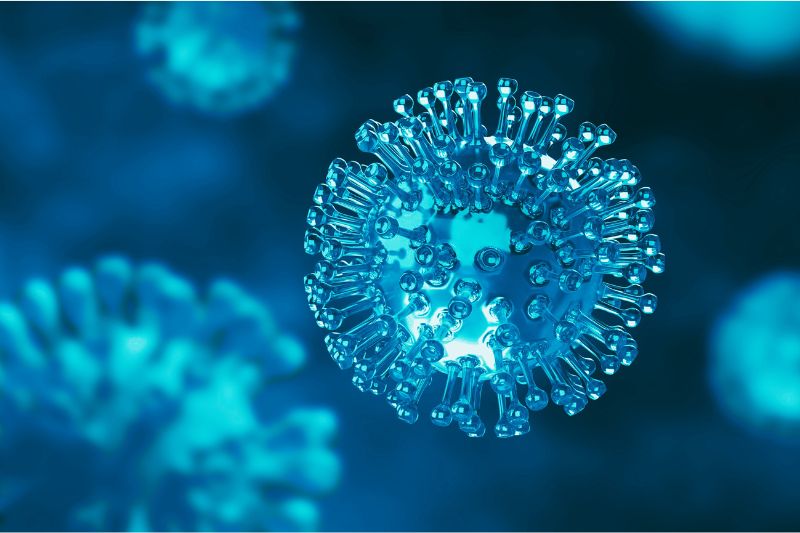
HIV stands for human immunodeficiency virus. HIV weakens the body’s immune system by attacking infection-fighting cells—called T cells or CD4 cells—that help your body stay healthy. T cells are like the generals of your immune system—they recognize infections and help direct how your body fights them.
As HIV attacks your T cells, it uses these cells to make copies of itself. Over time, the virus spreads and lowers the number of healthy T cells in your body. This makes it harder for your immune system to fight off infections.
Most people with a healthy immune system have a T count between 500 and 1,200 cells/mm³. Without treatment, HIV lowers that count, making you more likely to get sick.

How HIV multiples in the body
First, the HIV virus attaches to the surface of the T cell. The virus fuses with the cell and releases its genetic material inside. This allows HIV to take over the T cell and use it to make copies of itself.
Those new copies of the virus are then pushed out of the cell to infect more T cells, which produce more of the HIV virus, further reducing the number of healthy T cells. This process is called the HIV life cycle.
When taken every day, HIV medicine called antiretroviral therapy (ART) stops the virus from making copies of itself and infecting new cells.
What is AIDS?
When HIV is not treated, the immune system is so weak that it can no longer fight off infections the way it should. At this stage, it can progress to AIDS, which stands for acquired immunodeficiency syndrome. This happens when a person has a very low T cell count—below 200 cells/mm³—and develops certain serious infections or illnesses. At this stage, the immune system is so weak that it can no longer fight off infections the way it should.
But reaching the AIDS stage doesn’t mean you’ll stay there. With medical care and support, many people strengthen their immune systems and move back to a stage where their HIV is under control.
And today, most people with HIV never develop AIDS. Early testing, ongoing care and daily treatment make it possible to live a long, healthy life.
Early testing, ongoing care and daily treatment make it possible to live a long, healthy life.
How is HIV transmitted?
HIV spreads when certain bodily fluids—blood, semen, vaginal fluids, rectal fluids or breast milk—from a person with transmittable HIV enter another person’s bloodstream. This most often happens during condomless sex or when sharing needles or injection equipment.
Can you get HIV through everyday contact?
The HIV virus cannot live outside the body, so HIV isn’t spread through casual contact such as kissing, hugging, shaking hands, sharing food, touching surfaces or using the same toilet. You cannot get it from saliva, urine, insect bites, donating blood or using public bathrooms.
What are the symptoms of HIV?
HIV can show up differently for everyone. Some people get flu-like symptoms within two to four weeks of getting HIV. This could feel like fever, chills, sore throat, muscle aches, tiredness or swollen lymph nodes. These symptoms might last a few days to several weeks—or might not happen at all.
For other people, symptoms don’t show up for years. You might feel totally fine and still have HIV. In fact, more than 1 in 8 people living with HIV in the United States don’t know they have it. That’s why getting tested is so important—it’s the only way to know your status.
Getting Tested for HIV
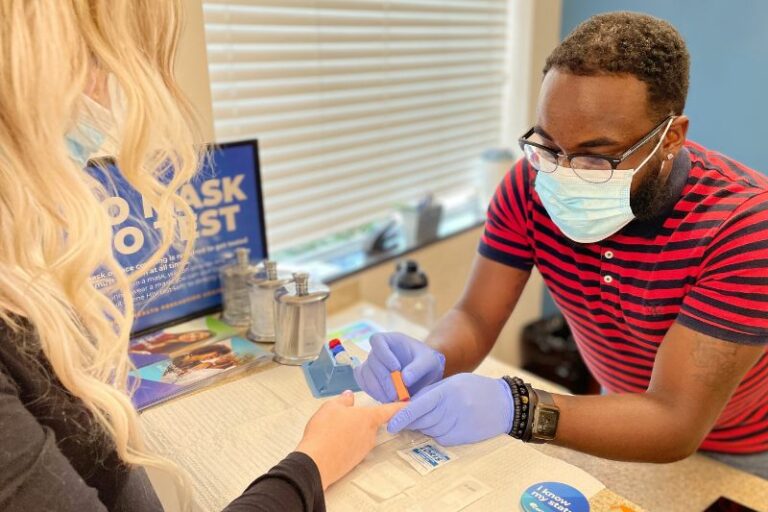
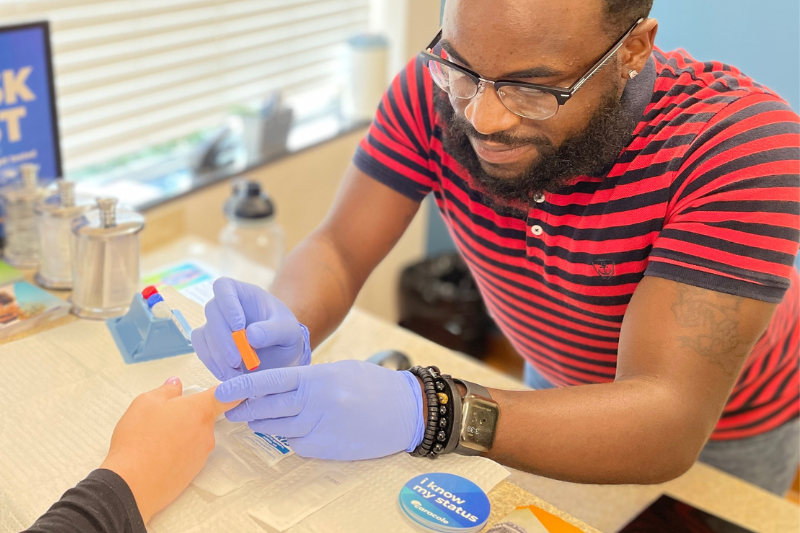
Because HIV often has no symptoms, regular testing is a good idea for everyone—especially if you think you may have been exposed to HIV.
HIV can affect anyone, regardless of age, gender, sexual orientation or ethnicity. But in the United States, some communities are impacted more than others due to systemic barriers and unequal access to care.
Being part of a community more affected by HIV doesn’t mean you’re at higher risk because of who you are—but it does mean regular testing, trusted information and access to care are especially important.
How do I get tested for HIV?
There are three main types of tests:
- Antibody tests: These tests look for HIV antibodies in blood or oral fluid. Most rapid tests and at-home tests fall into this category. They typically detect HIV 23–90 days after exposure. You can get free, confidential HIV tests at Caracole.
- Antigen/antibody tests: These tests look for both HIV antibodies and antigens (a part of the virus itself). This test is usually done in a lab and can detect HIV 18–45 days after exposure.
- Nucleic Acid Tests (NATs): These look for the actual virus in your blood. NATs are used when someone has had a recent or high-risk exposure and can detect HIV 10–33 days after exposure.
Knowing your status is the first step in taking care of your health—and helping prevent the spread of HIV.
Treating and Preventing HIV
What is the treatment for HIV?
While there is no cure (yet), HIV is treatable. Antiretroviral therapy (ART) is the recommended treatment for HIV. ART involves taking a combination of anti-HIV medications (known as an HIV regimen) to keep the virus under control.
ART stops HIV from making copies of itself. This helps your immune system stay strong and fight off infections.
The goal of HIV treatment is to reduce the amount of the virus in the blood (known as the viral load) to an undetectable level—which means it is so low it doesn’t show up on a standard test. When HIV is undetectable, it is untransmittable (undetectable=untransmittable, U=U), which means it can’t be passed to anyone else.
Treatment options now include daily pills or monthly/bimonthly injections. Doctors can help you pick the medication that works best for you. With consistent treatment, people with HIV live long, healthy lives.
When HIV is undetectable, it is Untransmittable (U=U).
What happens if HIV isn’t treated?
If left untreated, HIV can multiply in the body and weaken the immune system over time. This increases the risk of serious infections and illnesses—and can eventually lead to AIDS.
The good news: with consistent treatment, most people with HIV stay healthy and never develop AIDS. That’s why early testing and consistent treatment matter.

How can I prevent HIV?
There are more ways than ever to prevent HIV. The key is finding the prevention tools that work for you.
Here are some real ways to lower your risk:
- Consider safer sex practices, like using condoms.
- Use new needles, syringes and injection equipment every time.
- Consider taking PrEP (pre-exposure prophylaxis) if you’re at risk; it’s a medication that reduces the risk of getting HIV.
- Get PEP (post-exposure prophylaxis) at an emergency room as soon as possible if you may have been exposed to HIV; it must be started within 72 hours.
- If you are HIV positive, stay in care and on treatment. When your viral load is undetectable, you can’t spread HIV (U=U).
- Get tested regularly and talk to your partners about your status and prevention options.
Preventing HIV is possible. And if you do get HIV, treatment helps you stay healthy and stop the virus from spreading to others.
Living with HIV
With the right treatment and support, HIV is a manageable lifelong condition, like diabetes or asthma. Most people living with HIV lead long, healthy lives—but it’s important to know how HIV might affect different parts of life.
- Sex and relationships: When your viral load is undetectable, you can’t pass HIV. Regardless of viral load, in Ohio and many other states, the law says you must tell your partners that you have HIV before having sex or sharing drug equipment. Not sharing your status can lead to criminal charges—even if you don’t transmit HIV. We know this can feel overwhelming. Caracole is here to help you understand your rights and make informed choices about when and how to share your status. Our team can also connect you to services to notify your partners anonymously, and we can provide a safe, supportive place to talk with loved ones.
- Pregnancy: HIV does not affect fertility, and people with HIV can have HIV-negative babies. With the right prenatal care, the risk of transmitting HIV during pregnancy or birth is very low. A health care provider can help you plan for a healthy pregnancy, delivery and postpartum care.
- Work and health: Most people continue their daily routines, including work. You do not need to share your status with employers or coworkers. Managing HIV involves regular medical visits, lab tests and staying on your treatment plan.

Your Health. Your Next Step.
HIV is manageable—and you’re not alone. With the right care and support, you can live a long, healthy life. Whatever your next step looks like, having access to care and trusted resources can make all the difference.
Whether you’re looking for testing, treatment, prevention tools or help navigating what’s next, Caracole is here for you—with clear answers, care that meets you where you are and support that’s free of stigma and judgment.
Still have questions? Our FAQ page covers everything from HIV prevention to housing, care and more.